Managing a large-scale property is an intricate, high-stakes juggling act that requires constant vigilance, strategic foresight, and a deep understanding of physical infrastructure. From ensuring the daily safety and comfort of hundreds of tenants to maintaining the overarching aesthetic appeal that drives property value, facility managers are ultimately responsible for a massive, living ecosystem that operates twenty-four hours a day, seven days a week. The physical structures under your care are constantly under attack from severe weather, daily operational wear and tear, and the sheer volume of human traffic.
The most common and financially devastating mistake that new or overwhelmed managers make is operating entirely on a reactive basis. This means waiting for an HVAC system to completely fail, a pipe to burst, or a concrete surface to physically crumble before picking up the phone to call a vendor. This “break-fix” mentality is a dangerous trap. It guarantees drastically higher emergency repair costs, infuriates tenants who suffer through the resulting operational downtime, and heavily accelerates the overall depreciation of the physical asset. Operating reactively shifts your role from a strategic manager to a constant firefighter, leaving you perpetually stressed and draining your operational budget.
This comprehensive guide is designed to break down the core external partnerships every property manager must establish to successfully transition their operations from reactive chaos to proactive stability. We will meticulously cover how to protect your building’s critical envelope, manage heavy and specialized utilities, maintain strict industrial hygiene, elevate your exterior curb appeal, and ensure flawless life safety compliance. Building a reliable, heavily vetted roster of specialized contractors is not just an administrative box to check; it is the ultimate, proven strategy for extending the lifespan of your physical assets, protecting your bottom line, and securing your reputation as an elite facility manager.
Safeguard the Exterior Envelope and Transit Areas
The exterior envelope of your building and the vast transit areas surrounding it are the first line of defense against the elements. If these outer layers fail, the resulting damage will inevitably bleed into the interior of your facility, causing exponential financial losses. Protecting the structural core and the surfaces that endure the heaviest daily wear and tear must be your top operational priority.
Schedule Preventative Surface Assessments
The asphalt and concrete surfaces that make up your parking lots, loading docks, and access roads endure immense stress. Every day, they are subjected to the crushing weight of delivery trucks, the corrosive drip of automotive fluids, and the relentless beating of the sun. You cannot afford to ignore these surfaces until massive structural failures occur.
-
Walk your entire parking footprint at least twice a year with a detailed checklist. Do this specifically before the first freeze of winter and immediately after the spring thaw to document the formation of hairline cracks and early-stage potholes.
-
Document how water pools after a heavy rainstorm. Standing water on asphalt indicates a failure in the sub-base grading that will rapidly accelerate surface deterioration.
-
Track the fading of your line striping and directional markers, as poorly marked transit areas heavily increase your liability for vehicular accidents on your property.
Water is the ultimate enemy of paved surfaces. When rain seeps into unsealed hairline cracks and subsequently freezes, the ice expands, violently pushing the asphalt apart from the inside. Partnering with reputable commercial paving companies for routine sealcoating and strategic crack filling prevents you from having to fund a million-dollar total asphalt replacement. By sealing the surface proactively, you lock out moisture and significantly extend the life of the transit areas, keeping your property safe and visually pristine.
Implement Proactive Leak Detection Protocols
The roof of your facility is out of sight, which often means it is out of mind—until a sudden thunderstorm sends water cascading onto the desks or expensive inventory of your top-tier tenants. Internal water damage is rarely the result of a sudden, unpredictable event; rather, it is usually the result of long-ignored, highly preventable external vulnerabilities.
-
Hire an independent inspector to physically walk the roof and check all building flashings, checking for rusted or separated metal seams where the roof meets the parapet walls.
-
Inspect all HVAC rooftop penetrations, ensuring the rubber boots and sealants around the pipes are not dried out, cracked, or shrinking away from the metal.
-
Clear all internal drains, scuppers, and gutters of leaves, debris, and bird nests before the autumn storm season arrives to prevent massive water pooling.
Establishing an annual preventative contract for commercial roofing maintenance ensures that small membrane punctures, blistered seams, and failing adhesives are patched long before they destroy your interior drywall, electrical systems, and tenant relationships. A proactive roof inspection costs a fraction of what you will pay for emergency water extraction and mold remediation.
Document Structural Wear with Drone Photography
In the modern era of facility management, relying solely on binoculars from the ground is no longer an acceptable way to monitor a massive structure. You must leverage technology to document the true state of your physical assets over time safely and accurately.
-
Hire a certified, insured drone pilot annually to capture high-resolution, 4K video and still images of your property’s highest points, including chimneys, upper-level masonry, and vast transit areas.
-
Use this aerial imagery to safely document the degradation of hard-to-reach areas without risking the physical safety of your maintenance staff on high ladders or scaffolding.
-
Archive these digital visual records securely. If a severe hail storm or hurricane hits your area, you will have undisputed, timestamped proof of the building’s prior condition to present to your insurance adjusters, drastically speeding up your claim approvals.
Optimize Energy Resources and Hospitality Utilities

For massive facilities, mixed-use developments, or properties housing heavy hospitality tenants, energy consumption and specialized utility management are incredibly complex. A failure in these systems does not just cause mild discomfort; it can entirely halt a tenant’s ability to conduct business, leading to breached leases and massive financial disputes.
Negotiate Bulk Fuel Contracts Early
If your facility operates off the main municipal grid for its primary heating, relies on heavy-duty backup generators, or houses high-volume restaurants that require massive amounts of cooking fuel, you are highly vulnerable to volatile energy markets. Waiting until the middle of a freezing winter to buy fuel is a critical financial error.
-
Lock in your winter heating and energy fuel rates during the off-season, typically in the middle of summer, to protect your operational budget from sudden, weather-driven market spikes.
-
Assess the capacity of your on-site storage tanks and upgrade them if your current fuel delivery schedule is too frequent and vulnerable to regional supply chain disruptions.
-
Audit the consumption rates of your heaviest users to accurately project your annual fuel needs before entering into negotiations with suppliers.
Securing a highly reliable commercial propane service ensures your massive heating systems, backup generators, and heavy-duty kitchen equipment never suffer from operational downtime during peak business hours. When a massive winter storm hits and supply trucks are delayed, having a bulk contract and optimized storage guarantees your facility remains a warm, fully operational safe haven.
Enforce Strict Filtration Sanitation Guidelines
Water quality is a massive, often overlooked operational liability, particularly in facilities that house food service, hospitality, or medical tenants. Standard municipal water contains hard minerals, chlorine, and microscopic organic matter that can wreak havoc on expensive, specialized equipment.
-
Mandate in your lease agreements that all water filtration lines connected to high-volume tenant equipment are thoroughly descaled, flushed, and chemically sanitized every single quarter.
-
Install high-capacity, multi-stage water softeners and filtration arrays at the main intake valves to protect the building’s internal plumbing from premature calcification and rust.
-
Keep highly detailed, signed maintenance logs for all water-bearing equipment to present to municipal health inspectors during unannounced visits.
Micro-bacteria, scale, and highly toxic mold can rapidly build up inside commercial ice machines, leading to failed municipal health inspections, ruined tenant reputations, and serious legal liability if not routinely dismantled and chemically cleaned by trained specialists. You cannot allow untrained staff to handle this level of sanitation; it requires specific food-safe descalers and a deep understanding of the equipment’s internal mechanics.
Monitor Utility Consumption Dashboards
You cannot manage what you do not measure. In a massive facility, a hidden water leak or a malfunctioning HVAC unit can waste tens of thousands of dollars before anyone notices a physical symptom.
-
Install smart sub-meters across your facility to track the exact energy and water consumption of individual floors, zones, or specific high-draw tenants.
-
Review your digital energy dashboard weekly, looking for sudden, unexplained spikes in water or electricity usage during off-hours or weekends.
-
Use this granular data to bill tenants accurately for their exact usage, rather than relying on contentious square-footage estimations, and instantly deploy maintenance teams to investigate anomalies that indicate a failing appliance or a hidden pipe rupture.
Maintain Industrial Hygiene and Space Efficiency
Facility management is not just about keeping the lobbies shiny; it often involves managing the dark, hazardous, and hidden corners of the property. Maintaining strict industrial hygiene and optimizing how square footage is utilized are critical tasks that separate amateur managers from elite professionals.
Mandate Confined-Space Decontamination
Many large facilities feature subterranean holding vessels, massive grease interceptors, or industrial vats that collect highly toxic runoff, bio-waste, or chemical byproducts over time. These areas are incredibly dangerous and heavily regulated by federal safety agencies.
-
Ensure any on-site holding vessels are fully drained, properly ventilated, and chemically scrubbed according to strict Environmental Protection Agency guidelines to prevent hazardous, combustible sludge buildup.
-
Never, under any circumstances, allow standard janitorial staff or uncertified maintenance workers to enter these confined spaces to perform cleaning tasks.
-
Maintain strict atmospheric testing logs for these areas to ensure they are safe from invisible, lethal gas buildups like hydrogen sulfide or carbon monoxide.
You must contract a certified commercial tank cleaning service equipped with the proper breathing apparatus, emergency extraction harnesses, and high-pressure washing technology to safely handle this level of toxic decontamination. Relying on highly trained specialists completely shields you from the devastating liability of a workplace injury or an illegal environmental discharge.
Reclaim Valuable Square Footage
Real estate is exceptionally expensive, and allowing premium, climate-controlled square footage to be choked by unused assets is a massive waste of operational capital. Facilities naturally accumulate physical clutter over the years, and you must ruthlessly audit this space.
-
Walk your facility’s mechanical rooms, basement storage areas, and unused office suites every single year to physically catalog all stored items.
-
Aggressively purge and recycle broken machinery, outdated promotional materials, and obsolete electronics that will never be used again.
-
Relocate seasonal assets, such as massive holiday lobby decorations, outdoor patio furniture, or archived legal documents that are legally required to be kept but rarely accessed.
Renting secure, climate-controlled commercial storage off-site allows you to protect valuable seasonal assets while instantly opening up highly valuable floor space inside your primary facility. This reclaimed square footage can then be leased to new tenants, converted into modern tenant amenities, or utilized for profit-generating activities, maximizing the financial return on the building.
Maintain Up-to-Date Chemical Manifests
Every vendor that enters your property brings various industrial chemicals, solvents, and cleaning agents with them. As the facility manager, you are legally responsible for knowing exactly what volatile substances are present within your walls.
-
Create a centralized, digital repository of Safety Data Sheets for every single chemical used by your maintenance vendors, landscapers, and janitorial teams.
-
Ensure this database is instantly accessible via mobile devices for emergency responders, fire marshals, and medical personnel in the event of an accidental spill or chemical exposure.
-
Mandate that all vendors physically label their secondary chemical containers and safely remove all empty drums and leftover solvents from your property at the end of their shift to prevent accidental mixing and toxic off-gassing.
Standardize Grounds Maintenance and Soil Health
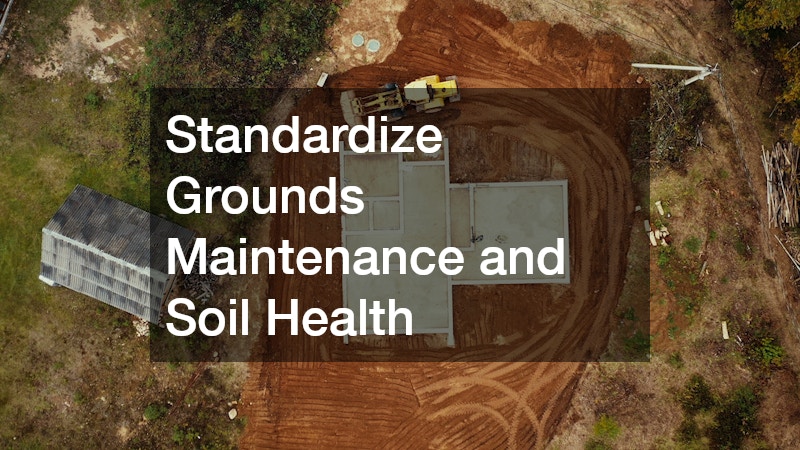
The exterior landscaping is the very first thing prospective tenants, visiting executives, and customers see when they arrive at your property. It heavily dictates the perceived value, safety, and prestige of the real estate. However, managing massive grounds efficiently requires rigid standardization and a deep understanding of seasonal biology.
Establish Strict Turf and Plant Schedules
Leaving the landscaping decisions entirely up to the whims of a weekly mowing crew will result in a property that looks perpetually exhausted and overgrown. You must take control of the biological lifecycle of your grounds.
-
Create a master, twelve-month horticultural calendar that dictates exactly when deep-core aeration, soil fertilization, and aggressive structural pruning must occur.
-
Specify the exact types of native, drought-resistant plants and seasonal flowers that are approved for your garden beds, ensuring visual uniformity across the entire campus.
-
Implement a strict integrated pest management protocol to deal with invasive weeds and destructive insects without relying excessively on harsh chemicals that endanger local wildlife and runoff into municipal drains.
A highly professional, dedicated commercial landscape contractor will execute this detailed schedule flawlessly, ensuring your expansive grass lawns remain vibrant and disease-free, and your critical transit sightlines remain clear of overgrown shrubs and low-hanging tree branches that could scratch vehicles or hide security cameras.
Automate Bulk Material Application
Maintaining the soil health and visual contrast of massive garden beds requires hundreds of cubic yards of mulch or soil top-dressing to be applied annually. Doing this inefficiently will destroy your landscaping budget and disrupt your property for weeks.
-
Specify in your vendor contracts that all bulk soil, compost, and mulch top-dressing must be applied mechanically to guarantee an even, precise depth that actually retains moisture and suppresses weeds effectively.
-
Avoid the massive disruption of having dozens of laborers pushing heavy, mud-filled wheelbarrows across your pristine sidewalks and delicate turf for weeks on end.
-
Ensure the materials used are certified organic and free of invasive seeds or ground-up construction debris that could introduce toxins into your soil ecosystem.
Utilizing heavy-duty commercial bark blowers allows a massive property to be perfectly and uniformly mulched in a fraction of the time. This advanced pneumatic technology drastically cuts down on expensive manual labor costs, prevents physical compaction damage to delicate garden beds, and ensures the entire project is completed swiftly with minimal disruption to your daily operations.
Evaluate Seasonal Irrigation Needs
An automated sprinkler system is only an asset if it is meticulously calibrated to the changing seasons. A neglected irrigation system will either drown your expensive plants or waste thousands of gallons of water spraying onto hot concrete.
-
Run a comprehensive, full-zone audit of your entire irrigation system every spring before the growing season begins.
-
Physically flag and replace broken sprinkler heads, realign misdirected nozzles, and repair subterranean line leaks that cause massive, hidden water waste.
-
Install smart weather sensors that automatically shut off the system during heavy rainstorms, and adjust the watering timers quarterly to match the specific evaporation rates of the current season.
Prioritize Life Safety Systems and Tenant Comfort
The ultimate responsibility of any facility manager is to protect the physical well-being of the building’s occupants. This means proactively shielding them from harsh weather elements and guaranteeing that all emergency and evacuation systems are functioning with absolute, uncompromising perfection.
Protect Pedestrian Walkways from Weather
Tenant comfort starts before they even open the front doors of your building. If your primary entryways, loading zones, and pedestrian transit areas are fully exposed to the elements, you are subjecting your occupants to discomfort and severely increasing your physical liability.
-
Evaluate your primary architectural entryways to determine where tenants and visitors are heavily exposed to blinding UV rays, driving rain, or dangerous falling ice and snow during the winter.
-
Assess your shipping and receiving docks to ensure valuable inventory is not being ruined by the weather during the critical moments of offloading.
-
Monitor your interior lobbies during severe weather; if your entrance mats are instantly soaked, your exterior protection is highly inadequate.
Hiring reputable commercial awning companies to install heavy-duty fabric, architectural glass, or structural metal canopies over your entrances keeps your lobbies dry, protects your exterior doorways from rotting, and drastically reduces interior floor maintenance. By shielding the walkways, you actively prevent dangerous slip-and-fall liabilities that occur when tenants track massive amounts of water onto slick marble or tile floors.
Conduct Strict Evacuation and Sensor Audits
Life safety systems are heavily regulated by municipal fire codes for a reason. These systems sit dormant for years, but when a catastrophic event occurs, they must activate instantly and flawlessly. Assuming these systems work simply because the green light is on is a massive dereliction of duty.
-
Schedule mandatory, highly disruptive after-hours testing of all strobe lights, audible alarms, manual pull stations, and main control panels every single quarter without exception.
-
Contract certified inspectors to physically check the water pressure in your overhead sprinkler systems, ensuring the main valves are clear of corrosion and the pumps engage immediately upon a pressure drop.
-
Verify that all illuminated emergency exit signs have fresh backup batteries and that all designated evacuation stairwells are completely free of stored boxes, bicycles, or debris.
If your commercial fire alarm system fails to trigger during a true emergency because you skipped routine maintenance or ignored a fault code on the panel to save money, the consequences are devastating. As the facility manager, you can be held personally and criminally negligent for the loss of life and property. Life safety compliance is the one area of facility management where budgets must never be compromised.
Run Routine ADA Accessibility Checks
Ensuring your property is fully accessible to all individuals is not just a legal requirement under the Americans with Disabilities Act; it is a fundamental aspect of operating a welcoming, professional facility. Accessibility features undergo heavy physical wear and require constant auditing.
-
Walk your entire property with a physical measuring tape and a digital level to verify that all exterior wheelchair ramps maintain the correct slope and are entirely clear of seasonal debris or snow.
-
Test every single automatic door operator, ensuring the push plates trigger correctly and the door remains open for the legally required duration before closing safely.
-
Physically inspect all grab bars in public restrooms and exterior handrails on staircases, forcibly shaking them to ensure the masonry anchors have not vibrated loose over time.
The successful management of a commercial property relies entirely on your ability to anticipate systemic failures long before they occur. By aggressively prioritizing structural integrity, optimizing complex energy uses, enforcing rigid industrial hygiene, managing grounds efficiently, and maintaining uncompromising life safety systems, managers create a vastly superior environment. You transition from a state of constant emergency response to a state of calm, predictable operational control.
Your property is ultimately only as strong, safe, and efficient as the specific vendors you hire to maintain it. Trying to manage highly specialized, hazardous, or heavily regulated tasks internally just to save a few dollars on the operational budget inevitably results in severe code violations, accelerated asset depreciation, and massive emergency repair bills. Proactive, specialized maintenance is a powerful revenue protector, not a sunk cost.
Do not wait for the next major storm or unannounced municipal inspection to discover the vulnerabilities in your building. Take action today. Start by picking just one critical area of vulnerability from this guide, thoroughly auditing your current vendor contracts for that specific domain, and scheduling three preventative site inspections before the end of the month. By building a trusted roster of specialized experts now, you ensure your facility remains safe, profitable, and pristine for decades to come.