Choosing a fence for your home involves more than picking a style that looks attractive. The right fence should fit your property, support your privacy or security goals, complement your home, and work with your budget. With so many materials, heights, colors, and designs available, narrowing down the choices can feel overwhelming. Professional fence companies can help homeowners evaluate these factors and select an option that suits their specific needs. Understanding how this process works can make planning a new fence simpler and more productive.
Assessing Your Property and Goals
The first step is determining what you want the fence to accomplish. Some homeowners primarily want privacy, while others may need to define property boundaries, keep children or pets contained, or add another layer of security. Your goals can influence everything from the fence’s height to its material and overall design.
Property characteristics also matter. The size and shape of your yard, existing landscaping, driveway placement, slopes, and other features can affect how a fence should be planned. A design that works well on a flat, open lot may require different considerations on a property with uneven terrain. Fence companies can review these details and help identify practical options for the space.
Local weather and environmental conditions can also influence the decision. Areas with strong winds, heavy rain, intense sunlight, or seasonal temperature changes may place different demands on fencing materials and installation methods. Soil conditions can matter as well, particularly when posts need to be installed securely. Homeowners should consider whether the fence will border a garden, pool, play area, driveway, or other part of the property that has unique needs. Thinking about these details before choosing a design can help prevent an attractive fence from becoming inconvenient or unsuitable later.
Homeowners may also want to consider access. A single pedestrian gate may be sufficient for some yards, while others need wider access for vehicles, lawn equipment, trailers, or occasional maintenance work. Gate placement, opening direction, and hardware can affect how easily the property is used each day. These practical details are easier to address during planning than after the installation is complete. Clear planning can also make the finished fence feel more natural, functional, and visually balanced throughout the property while supporting everyday use and appearance for years.
Comparing Fence Materials
Fence materials each offer different characteristics, so homeowners should consider how an option will perform over time. Wood can provide a traditional, warm appearance and can be customized with different stains, paints, heights, and styles. Vinyl offers another low-maintenance option with a clean appearance and does not require the same type of routine finishing as wood.
Metal fencing can provide a durable, structured look and may work particularly well when visibility is desirable. Chain-link fencing is often selected for practical boundary and containment purposes, while other materials can provide greater privacy or a more decorative appearance. Comparing these characteristics helps homeowners choose a fence based on both appearance and everyday requirements.
Balancing Budget and Maintenance
The initial price of a fence is only one part of the overall cost. Homeowners should also think about maintenance requirements, expected longevity, repairs, and any future upkeep associated with the material. A less expensive option may require more regular attention, while a higher upfront investment could reduce certain maintenance tasks.
Your budget should also account for the size of the project and the complexity of the installation. Gates, challenging terrain, removal of an existing fence, and other site conditions may affect the final project scope. Discussing these considerations early allows homeowners to establish realistic expectations and compare options without focusing solely on the initial price.
Considering Appearance and Neighborhood Fit
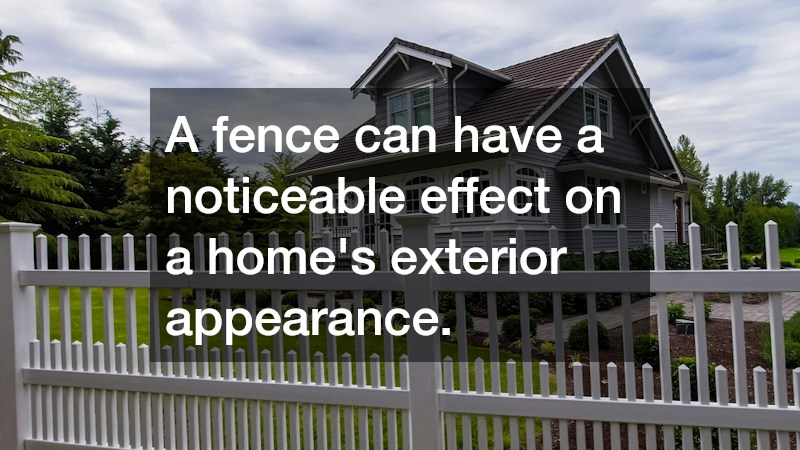
A fence can have a noticeable effect on a home’s exterior appearance, making style an important consideration. Homeowners can evaluate color, height, spacing, posts, gates, and decorative details to find a design that complements the property. The fence does not have to match every exterior feature, but it should generally feel consistent with the home’s architecture and landscaping.
It is also worth considering how the fence will look from both sides and how it fits into the surrounding neighborhood. Some communities or homeowners’ associations may have rules involving fence height, placement, materials, or appearance. Checking applicable requirements before installation can help prevent unexpected changes later in the project.
Choosing the right fence requires balancing practical needs, property conditions, appearance, budget, and maintenance expectations. Homeowners do not have to make every decision without guidance. fence companies can explain the differences between available materials, identify considerations specific to the property, and help narrow the selection to suitable designs. By defining goals and reviewing the long-term requirements of each option, homeowners can approach the project with greater clarity and choose a fence that works well for their home.