
Building a dream home that truly fits your lifestyle starts with thoughtful planning and a clear understanding of how you want to live day to day. A home is more than a structure; it is the setting for routines, milestones, and personal expression. From the flow of rooms to how spaces support relaxation or productivity, each decision plays a role in shaping comfort and long-term satisfaction.
Lifestyle-focused home building considers both present needs and future possibilities. Families, professionals, and retirees all interact with their homes differently, which makes flexibility and intentional design especially important. A well-planned home adapts as life changes, whether that means growing households, remote work, or shifting priorities over time.
Design choices also influence how a home feels emotionally. Natural light, storage solutions, and the relationship between indoor and outdoor spaces can affect daily mood and functionality. When these elements are planned intentionally, the home becomes easier to live in rather than something that requires constant adjustment.
By approaching the process with a clear vision and careful planning, homeowners can create living environments that support comfort, function, and individuality.

Defining Your Lifestyle and Living Priorities
Every successful home project begins with a clear understanding of lifestyle needs. This includes how many people will live in the home, how often guests are expected, and which activities require dedicated space. Some households prioritize open areas for gathering, while others value quiet zones for work, hobbies, or rest. Identifying these preferences early helps guide decisions throughout the building process.
Lifestyle priorities also extend to storage, privacy, and daily movement through the home. A layout that feels intuitive supports smoother routines and reduces frustration over time. Thinking through how mornings, evenings, and weekends unfold can reveal which spaces deserve extra attention during planning.
Working with a custom home builder allows homeowners to translate lifestyle priorities into a cohesive design plan. This collaboration helps align layout, room placement, and architectural features with everyday habits. Customization makes it possible to design spaces around how people actually live, rather than adapting lifestyles to fit a standard floor plan.
By defining priorities from the start, homeowners reduce the likelihood of costly changes later and create a home that reflects personal values, preferences, and long-term goals. This clarity forms the foundation for a home that feels intentional and comfortable from day one.
Choosing a Location That Supports Daily Life
Location plays a major role in how a home supports daily activities. Proximity to work, schools, healthcare, and recreational spaces can influence convenience, commute times, and overall quality of life. Beyond neighborhood considerations, the physical characteristics of the land itself affect accessibility, drainage, and how the home integrates with its surroundings.
The shape, slope, and soil conditions of a property all influence design decisions. These factors affect how driveways, walkways, and outdoor spaces are positioned, as well as how the home interacts with natural elements like sunlight and wind. A well-chosen location supports comfort while minimizing future maintenance challenges.
A concrete contractor is often involved early in preparing the site and establishing a stable foundation suited to the property’s conditions. Proper grading, foundations, and access points contribute to long-term durability and ease of use. These early steps influence how the home performs over time and how well it handles daily wear.
Choosing a location with both lifestyle and structural factors in mind helps create a home environment that feels practical, functional, and connected to everyday needs rather than working against them.
Designing a Layout for Comfort and Function
A well-designed layout shapes how a home feels and functions every day. Room placement, traffic flow, and the relationship between shared and private spaces all influence comfort and usability. Open layouts can encourage connection and flexibility, while defined rooms may support privacy and focus. The goal is to create a layout that feels intuitive, allowing people to move through the home naturally without unnecessary barriers or wasted space.
Comfort and function also depend on how indoor spaces connect to outdoor areas. Thoughtful transitions between interior living spaces and exterior features can make the home feel larger and more versatile. When layouts account for natural light, ventilation, and sightlines, they support both relaxation and productivity. These decisions help the home adapt to daily routines while remaining comfortable for gatherings, quiet time, and everything in between.
Working with a deck builder during layout planning helps align outdoor living spaces with interior design goals. Deck placement can influence how rooms open to the outdoors, creating extensions of living or dining areas that feel purposeful rather than added on later. Proper integration supports smoother transitions and encourages regular use of outdoor spaces.
By coordinating layout decisions early, homeowners can avoid awkward connections or underused areas.
Planning Spaces for Work and Relaxation
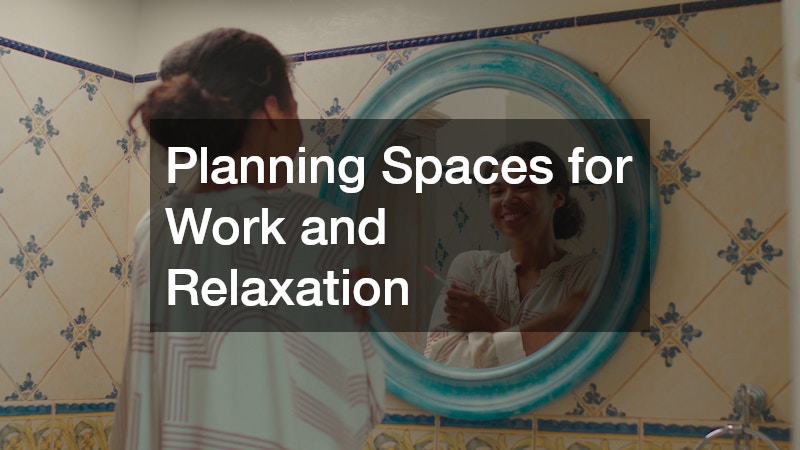
Modern homes often need to support multiple roles, from productivity to rest. Planning dedicated spaces for work and relaxation helps maintain balance and reduces overlap between responsibilities and downtime. When areas are clearly defined, it becomes easier to focus during work hours and unwind without distraction afterward.
Workspaces benefit from thoughtful placement away from high-traffic areas, while relaxation zones should feel calm and inviting. Lighting, acoustics, and storage all influence how well these spaces serve their purpose. Planning for flexibility also matters, as rooms may need to shift functions over time depending on changing lifestyles or household needs.
Details play an important role in how these spaces feel. Features such as custom bathroom mirrors contribute to relaxation-focused areas by enhancing lighting, visual openness, and overall comfort. Thoughtful design elements can elevate everyday routines, turning functional spaces into places that support well-being.
Selecting Materials That Match Your Needs
Material selection influences durability, maintenance, and overall performance throughout the home. Choosing materials that align with climate, lifestyle, and long-term expectations helps reduce upkeep and extend the life of the home. Surfaces, finishes, and structural components should be selected with both function and longevity in mind.
Different areas of the home require different material considerations. High-traffic spaces benefit from resilient finishes, while quieter areas may prioritize comfort or aesthetics. Balancing visual appeal with practical performance helps create a cohesive design that remains functional over time without frequent repairs or replacements.
Consulting with roofing companies during the planning process supports informed material choices that account for weather exposure and long-term protection. Roofing materials play a critical role in insulation, energy efficiency, and structural integrity, making them an important part of overall material planning.
Selecting materials thoughtfully reduces long-term costs and supports consistent performance.
Incorporating Energy Efficiency and Sustainability
Energy efficiency and sustainability are central to building a home that supports comfort while managing long-term operating costs. Thoughtful planning around energy use helps reduce waste, improve indoor comfort, and support responsible resource management. From insulation choices to water usage, small decisions add up to meaningful long-term benefits for both homeowners and the environment.
Sustainable design also encourages smarter use of natural systems. Proper orientation for sunlight, efficient water flow, and durable systems reduce strain on utilities while supporting consistent performance. These considerations help homes function more efficiently without sacrificing comfort or convenience, making sustainability a practical choice rather than a compromise.
A well pump service can play an important role in supporting efficient water access for homes that rely on private water systems. Proper installation and maintenance help manage water use responsibly while supporting reliable daily access. Planning for efficiency at this level helps homeowners protect resources while supporting dependable performance.
By incorporating energy-conscious strategies early, homeowners create living spaces that are comfortable, cost-aware, and adaptable.
Balancing Style With Long-Term Practicality
A dream home should feel visually appealing while remaining functional for everyday living. Striking the right balance between style and practicality helps prevent design choices that look good initially but become difficult to maintain or live with over time. Practical design supports comfort without sacrificing personal expression.
Durability, maintenance needs, and adaptability all influence how well style choices age. Materials, finishes, and layouts should be selected with real-life use in mind, especially in high-traffic or outdoor areas. When design supports daily routines, the home remains enjoyable long after construction is complete.
Working with a fence company allows homeowners to balance visual appeal with functional boundaries and safety. Fencing contributes to privacy, security, and outdoor organization while complementing the home’s overall aesthetic. Thoughtful design choices help outdoor features enhance both form and function.
Preparing for Future Growth and Flexibility
A well-designed home considers not only current needs but also how those needs may change over time. Preparing for future growth allows homeowners to adapt spaces without major renovations as lifestyles evolve. Flexibility supports long-term comfort, whether that involves expanding living areas, changing room functions, or accommodating new routines.
Planning for flexibility often includes multipurpose rooms, adaptable storage, and layouts that can evolve. These features help the home remain useful through different life stages, supporting transitions without disruption. Forward-thinking design helps avoid limitations that can make future changes costly or inconvenient.
Incorporating customized details through an embroidery service allows homeowners to add personal touches that can evolve over time. Personalized elements can reflect milestones, preferences, or changes while remaining adaptable within the home’s design. These details support individuality without locking the home into a single phase of life.
By preparing for growth and flexibility, homeowners create spaces that respond to change with ease.
Managing Budget and Construction Decisions
Managing budget and construction decisions is one of the most important parts of building a dream home that fits your lifestyle. Clear financial planning helps keep the project moving forward without unnecessary stress or delays. Establishing priorities early allows homeowners to allocate resources where they matter most, whether that means investing in long-term durability, comfort features, or flexible living spaces.
A realistic budget also accounts for the full scope of construction, not just visible finishes. Site preparation, material delivery, waste removal, and scheduling all influence costs and timelines. When these elements are planned in advance, homeowners are better positioned to make informed choices and avoid last-minute compromises. Clear communication between all parties helps align expectations and keeps progress steady.
Dumping and removal logistics often play a role during construction, especially as materials are replaced or upgraded. Dumpster rental companies support efficient site management by keeping work areas clear and organized. Proper waste handling helps maintain safety, supports workflow, and reduces disruptions that can slow progress or increase costs.
By approaching budget and construction decisions with structure and flexibility, homeowners maintain control throughout the process.
Creating a Home That Feels Personal and Livable
A dream home should reflect personality as much as it supports function. Personal touches, thoughtful layouts, and intentional design choices all contribute to a space that feels welcoming and authentic. When a home is designed around real-life habits and preferences, it becomes easier to settle in and enjoy daily routines.
Livability depends on how well a home supports comfort, movement, and connection. Storage placement, room flow, and lighting all influence how a space feels once it is occupied. Small design details can have a significant impact on how easily a home adapts to daily use, hosting guests, or quiet downtime.
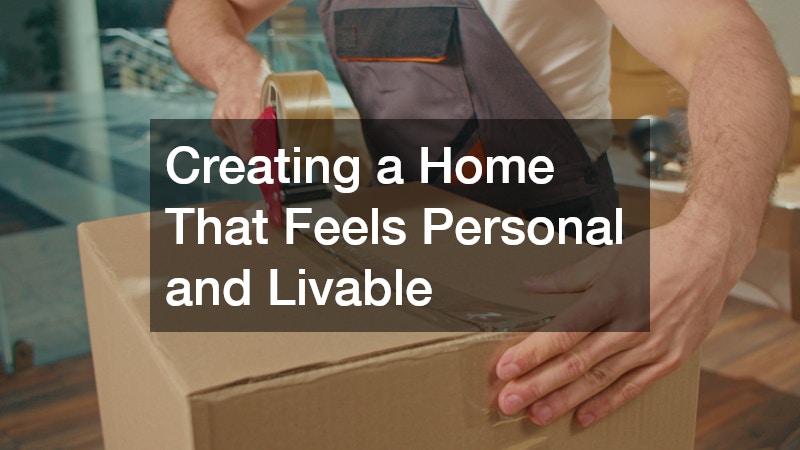
Transitioning into a new home is an important phase that shapes first impressions and long-term satisfaction. A moving service can help ease this transition by supporting organization, reducing stress, and protecting belongings during relocation. A smooth move allows homeowners to focus on settling in rather than managing logistics.
When personalization and livability are prioritized together, the home feels intentional rather than staged. Thoughtful planning creates an environment that supports comfort, individuality, and ease, helping homeowners feel connected to their space from the moment they move in.
Building a dream home that fits your lifestyle is a process rooted in thoughtful decisions, careful planning, and long-term perspective. From defining priorities and choosing the right location to designing functional layouts and preparing for future change, each step contributes to a home that supports everyday life rather than working against it.
A lifestyle-focused approach emphasizes comfort, flexibility, and practicality without sacrificing personal expression. By considering how spaces will be used now and in the future, homeowners can create environments that remain functional and enjoyable through changing needs and routines. Planning for efficiency, durability, and adaptability helps protect both comfort and investment.