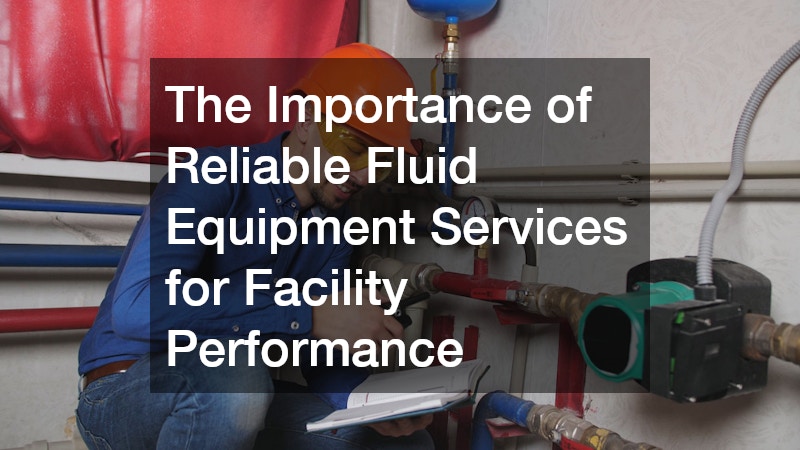
Fluid equipment services are integral to the efficiency and reliability of facility operations. Pumps and valves, for example, need regular upkeep to maintain optimal performance. If these components fail or perform inefficiently, entire production lines can halt, affecting a company’s productivity and financial bottom line.
Implementing systematic maintenance programs can preempt such issues, ensuring smooth operations and reliability.
Moreover, the inclusion of these services in facilities’ operational strategies reflects their commitment to operational excellence. Maintenance teams provide detailed inspections and assessments that can preempt more severe issues, allowing for timely interventions. This proactive approach to maintenance also contributes to cost savings, as identifying and resolving minor issues can prevent expensive equipment failures and repairs. Thus, fluid equipment services are not mere operational expenses but strategic investments in a facility’s future.
Aside from operational efficiency, fluid equipment services also play a significant role in ensuring compliance with health and safety regulations. By adhering to maintenance schedules and guidelines, facilities can mitigate risks associated with equipment failure, such as leaks and emissions. Furthermore, certification from authorized service providers can help facilities demonstrate adherence to industrial standards and legal requirements, safeguarding against potential legal liabilities. In summary, effective fluid equipment services are pivotal for maintaining operational integrity and regulatory compliance.
Why is Maintenance Crucial for Fluid Equipment?
Preventive Maintenance Benefits
Preventive maintenance of fluid equipment is crucial for ensuring consistent and efficient operations within a facility. By conducting regular inspections and servicing, facilities can avoid unexpected equipment failures that cause costly disruptions. This approach not only prolongs the lifespan of machinery but also enhances its performance, leading to higher productivity levels. Additionally, preventive maintenance aligns with sustainable practices as it often involves optimizing equipment to reduce energy consumption and wastage. As facilities increasingly seek to reduce their environmental footprint, the integration of preventive maintenance into their operational strategies becomes indispensable.
The financial implications of preventive maintenance are notable, as it assists in identifying potential issues before they escalate into more severe and expensive problems. When minor issues are addressed promptly, facilities can save significantly on repair costs and minimize downtime. Furthermore, the consistent operation of well-maintained equipment contributes to reliable production outputs, reinforcing the facility’s reputation for quality. This proactive approach to maintenance has long-term economic benefits, turning what might appear as additional cost into valuable investments. Hence, preventive maintenance is an essential strategy for ensuring both short-term productivity and long-term sustainability.
Additionally, a structured preventive maintenance program supports compliance with industry standards and regulatory requirements. These programs involve meticulous record-keeping and documentation, which help facilities demonstrate adherence to required guidelines during inspections and audits. This not only protects the facility from potential legal penalties but also instills confidence in stakeholders, including investors and clients, about the facility’s commitment to maintaining high standards of operation. Thus, preventive maintenance serves as a key component in safeguarding both the operational and legal standing of a facility in a competitive market.
How to Select a Reliable Fluid Equipment Service Provider?
Evaluating Provider Credentials
When selecting a fluid equipment service provider, evaluating their credentials is an essential first step. A reliable provider should possess industry-specific certifications and affiliations that attest to their expertise in handling complex equipment maintenance tasks. Such credentials serve as an assurance of the provider’s capability and dedication to maintaining high service standards. Furthermore, examining the provider’s track record in the industry, including client testimonials and success stories, can provide insights into their reliability and service quality. Facilities should prioritize providers who demonstrate a comprehensive understanding of fluid equipment systems and the latest maintenance technologies.
Additionally, evaluating the expertise and experience of the service provider’s personnel is crucial. Providers should have a team of qualified technicians with extensive knowledge of fluid dynamics and practical experience in handling various equipment models. Facilities should inquire about the training programs offered to technicians to ensure ongoing professional development and adaptability to technological advances. A skilled workforce is a key indicator of a provider’s capacity to deliver quality maintenance services and address complex challenges. Thus, conducting thorough evaluations help facilities secure a provider whose team can effectively support their operational needs.
Strong provider credentials also encompass their adaptability and ability to customize services to meet a facility’s specific requirements. Providers who can tailor maintenance programs based on unique operational demands showcase flexibility and a commitment to customer satisfaction. This approach not only builds trust but also ensures that clients receive the maximum value from service agreements. Therefore, conducting a careful assessment of a provider’s credentials, expertise, and adaptability is vital before establishing long-term partnerships with fluid equipment service providers.
Assessing Service Offerings
An important consideration in selecting a service provider is assessing their range of service offerings, which should align with a facility’s maintenance requirements and expectations. Providers offering comprehensive services, from routine maintenance to emergency repairs, can contribute significantly to a facility’s operational resilience. Facilities should evaluate whether the provider’s service portfolio addresses their unique operational challenges, such as handling specific types of fluid equipment or integrating IoT solutions for real-time monitoring.
Moreover, assessing a provider’s service offerings involves understanding their approach to preventive maintenance. Providers should offer structured maintenance programs that focus on regular inspections, predictive analytics, and energy-efficient upgrades. The adoption of digital tools and smart technologies in service offerings is a positive indicator of a provider’s innovative capacity and readiness to enhance equipment performance. Facilities should look for providers with a proactive approach to maintenance, aiming to optimize equipment reliability and efficiency while minimizing unnecessary downtime.
The creativity and adaptability of service offerings can also influence the selection of a provider. Providers who can offer customized solutions and flexibility in scaling services according to evolving facility needs are preferable. Their ability to accommodate operational variations and provide targeted support ensures a consistent and long-lasting partnership. Ultimately, an in-depth assessment of a provider’s service offerings helps facilities ensure comprehensive and reliable fluid equipment services tailored to their specific operational and strategic objectives.




Morris Internet Group
MIG is your all new source of the latest news, updates, tips and tricks in making your business grow and prosper.